

How to Correct Posture with Pilates: A Practical Guide for Better Alignment and Movement
Many people know their posture is not ideal. What they usually do not know is why it feels off — or what to do about it.
They try to sit up straight, pull the shoulders back, stretch randomly, or remind themselves to “stand taller”. But the tension keeps returning. The neck still feels tight. The lower back still feels loaded. The body still falls back into the same habits by afternoon.
That is usually because posture is not just a reminder problem. It is often a support, mobility, and movement-awareness problem.
In Singapore, this is common. Long hours at a desk, phone use, commuting, driving, carrying children, working on your feet, or repeating the same movement patterns in sport all shape how the body aligns. Over time, those habits can show up as rounded shoulders, a more compressed lower back, uneven tension, or the feeling that standing “properly” takes too much effort.
The good news is that posture can improve. With the right Pilates instruction, better body awareness, and a more specific plan, many people can improve how they sit, stand, breathe, and move through daily life.
You can improve posture with Pilates by working on body awareness, breathing, trunk support, shoulder and pelvic control, and the muscle balance needed for better alignment. The most effective Pilates approach depends on the posture pattern you have, what your daily habits are, and whether pain, stiffness, or asymmetry is also part of the picture.
Why posture problems happen
Posture problems usually do not appear out of nowhere. They build slowly through repeated habits.
Some common Singapore-life examples include:
- long hours at a laptop or desk
- frequent phone use with the head drifting forward
- commuting and spending large parts of the day seated
- standing all day and locking the knees
- cycling or repeated forward-flexed sport positions
- always carrying a child, tote bag, or work bag on the same side
- gym training that builds strength but not always movement balance
That does not mean every ache is “just posture.” Pain is more complex than that. But posture can influence how much strain the body accumulates, how efficiently it supports itself, and which areas keep working harder than they should.
Better posture is not about looking stiff or perfect. It is about better alignment, better support, and less unnecessary tension through the body.
Why reminders alone usually do not work
A lot of people try to fix posture by force.
They pull the shoulders back, tuck the pelvis, lift the chest, or keep reminding themselves to stand taller. Sometimes that helps for a few minutes. Then the body falls back into its old pattern.
That is not because they are lazy. It is usually because the body does not yet have the support, mobility, or awareness to hold a better position comfortably.
This is where Pilates can be useful. Instead of forcing a shape, Pilates works on the things posture depends on: breathing, trunk support, pelvic control, shoulder organisation, spinal mobility, and movement quality.
How to assess your posture
Everyone has a posture pattern right now, including while reading this page.
A simple starting point is to notice:
- where you usually feel tension first
- whether one shoulder or hip looks higher than the other
- whether your head tends to drift forward
- whether your lower back tends to over-arch or flatten
- whether you lock your knees or hang through your hips when standing
- whether one side of the body works harder than the other
This is not a full assessment, but it helps you start recognising patterns instead of guessing blindly.
If you want a more guided starting point, Start Pilates in Singapore is a useful next step.
Common postural patterns
Real bodies are often messier than textbook categories. Still, these patterns are useful because they help explain why different people need different Pilates priorities.
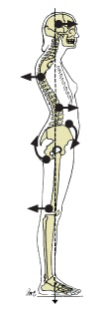
Kyphotic Posture
Common in: desk workers, laptop users, phone-heavy users, cyclists
Often feels like: neck tension, rounded shoulders, chest tightness, poor upper back endurance
Pilates usually works on: chest opening, upper back support, shoulder organisation, and better trunk control
Lordotic Posture
Common in: people who stand a lot, some pregnant women, people who rely heavily on the lower back
Often feels like: lower back discomfort, tight hip flexors, weak glutes or hamstrings
Pilates usually works on: pelvic control, hip extension support, trunk organisation, and reducing overuse of the lower back

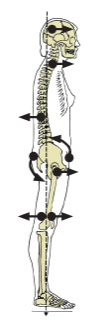
Flat Back Posture
Common in: people who appear upright but are actually holding themselves too rigidly
Often feels like: hamstring tightness, reduced spinal softness, a “stiff upright” stance
Pilates usually works on: restoring better relationship between the pelvis, legs, and natural spinal curves
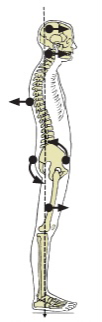
Swayback Posture
Common in: people who hang into the hips, knees, or ribcage rather than actively supporting the body
Often feels like: forward head tendency, lower abdominal weakness, rounded shoulders, hamstring tightness
Pilates usually works on: ribcage-pelvis organisation, trunk support, upper back support, and less reliance on passive structures
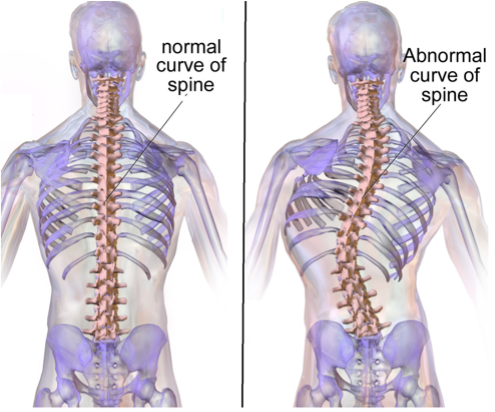
Postural Scoliosis
Common in: people who repeatedly load one side more than the other
Often feels like: one shoulder or hip higher, uneven trunk rotation, one side always working harder
Pilates usually works on: rebalancing left-right support, trunk control, and more specific asymmetry management
Most people do not fit neatly into just one posture box. Many present with a mix of patterns. That is why guided instruction is often more useful than self-diagnosis.
What better posture actually looks like
Better posture is not military stiffness. It is not chest out, shoulders pinned back, and knees locked.
A more useful goal is a body that feels stacked and supported, with natural curves preserved and less unnecessary gripping.
In general, better standing alignment often includes:
- feet placed under the body rather than collapsing in or out
- knees soft rather than locked back
- pelvis balanced rather than dumped forward or tucked excessively
- ribcage organised over the pelvis
- shoulders relaxed rather than dragged up toward the ears
- head balanced rather than pushing forward
That sounds simple. In practice, it usually takes body awareness and repetition to find that support consistently.
How Pilates helps posture
Pilates helps posture by improving the things posture depends on.
That includes:
- trunk support
- pelvic control
- shoulder organisation
- spinal mobility where needed
- strength where support is missing
- body awareness and movement quality
- breathing patterns that reduce unnecessary tension
This is why Pilates usually works better than repeatedly telling yourself to “sit up straight.” Good posture becomes easier to maintain when the body has the right support and movement options.
If posture concerns are also linked to ongoing pain or rehabilitation needs, Rehab-Clinical Pilates in Singapore may be a more relevant page to explore.
Pilates exercises commonly used for posture
Not every exercise suits every posture pattern. Still, some Pilates exercises are commonly used to improve awareness and support.
Pelvic Tilt (Imprint)

This helps people become more aware of pelvic position and lower abdominal support. It can be useful for those who struggle to feel the difference between an over-arched lower back, a neutral spine, and a more supported pelvic position.
Plank

Plank builds full-body support, especially through the trunk, shoulders, and pelvis. When well taught, it can help people organise a clearer line through the body instead of collapsing through the ribs, shoulders, or lower back.
Roll Up

The Roll Up can help develop abdominal control, spinal articulation, and awareness of how the body moves through flexion. It is not suitable for everyone in the same way, which is why instruction matters.
Different posture patterns usually need different priorities
One reason posture advice often fails is that people try exercises that do not match what their body actually needs.
- Kyphotic pattern: often needs chest opening, upper back support, and better shoulder organisation
- Lordotic pattern: often needs better pelvic control, stronger hip extensors, and less reliance on the lower back
- Flat back pattern: often needs a better relationship between the pelvis, hamstrings, and natural spinal curves
- Swayback pattern: often needs stronger trunk support, better ribcage-pelvis organisation, and less hanging on passive structures
- Postural scoliosis: often needs more specific left-right rebalancing and closer observation
That is why many people do better with guidance than with random generic posture exercises online.
When more guidance matters
Posture work becomes more complex when there is:
- ongoing back, neck, or hip pain
- pregnancy or post-natal changes
- a history of surgery or injury
- scoliosis or visible asymmetry
- a lot of confusion about what “neutral” actually feels like
In these cases, a more guided start usually makes more sense than trying to self-correct from internet advice alone.
These pages may also help depending on what you are dealing with:
- Pilates for Back Pain
- Pregnancy Pilates in Singapore
- Pilates After Hip or Knee Replacement
- Private Pilates Sessions
Need a clearer starting point for posture correction?
If your posture feels confusing, a guided start is usually more useful than guessing. The right Pilates approach depends on your movement pattern, daily habits, and whether pain or asymmetry is also part of the picture.
Explore the best way to begin, or ask Pilatique which starting option may suit you.
Frequently asked questions
Can Pilates really help posture?
Yes. Pilates can help posture by improving body awareness, trunk support, pelvic control, shoulder organisation, breathing, and movement quality. The most effective approach depends on your specific posture pattern and daily habits.
How long does it take to improve posture?
It varies. Some people notice better awareness quite quickly, while visible changes in habit and support take more consistent practice. Progress depends on how long the pattern has been there, how often it is repeated daily, and whether the exercises suit the person well.
Is bad posture always the cause of pain?
No. Pain is more complex than posture alone. But posture can contribute to repeated strain, poor movement patterns, and how tension builds across the day.
What is the best Pilates exercise for posture?
There is no single best exercise for everyone. Pelvic Tilt, Plank, and Roll Up are common examples, but the right choice depends on whether you need more support, more mobility, better awareness, or a different balance between the two.
Should I start with a class or a Private session for posture issues?
If your posture concerns are specific, confusing, linked to pain, or feel uneven from side to side, a Private session is often the clearer place to start because the work can be matched to your actual pattern.
Can posture improve without becoming stiff?
Yes. Better posture should feel more supported and more efficient, not more rigid. The goal is not to force the body into a fixed position, but to move and stand with better organisation and less strain.
Posture correction is usually not about trying harder. It is about moving better.
Many people try to fix posture by forcing the shoulders back or standing more stiffly. That rarely lasts.
Real posture change usually comes from better support, better awareness, and better movement habits repeated over time. That is where Pilates can be especially useful — not just because it strengthens the body, but because it teaches the body how to organise itself more intelligently.